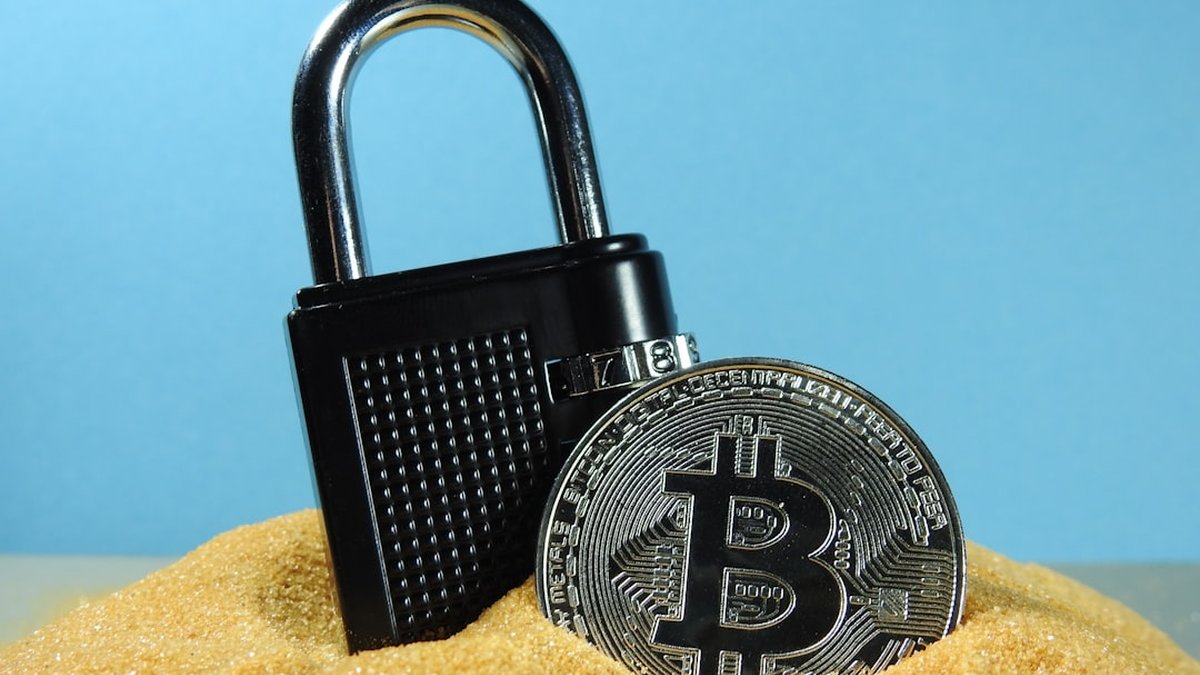
Introduction
Welcome to the world of privacy coins—one of the most fascinating and often misunderstood corners of the cryptocurrency landscape. If you've been exploring altcoins and stumbled upon terms like "ring signatures," "zero-knowledge proofs," or "stealth addresses," you're in the right place.
This guide will walk you through everything you need to know about privacy-focused cryptocurrencies as a complete beginner. We won't assume you have any prior knowledge beyond a basic understanding of what cryptocurrency is. By the end, you'll understand what privacy coins are, why they exist, how they work, and how to approach them responsibly.
Whether you're concerned about financial privacy, curious about the technology, or simply want to understand this segment of the crypto market, we've got you covered.
What Are Privacy Coins?
Privacy coins are cryptocurrencies specifically designed to provide enhanced anonymity and transaction privacy. While Bitcoin and most other cryptocurrencies record every transaction on a public blockchain that anyone can view, privacy coins use advanced cryptographic techniques to hide transaction details.
Think of it this way: Bitcoin is like sending a postcard—anyone who handles it can read the message. Privacy coins are more like sending a sealed letter inside an opaque envelope. The transaction still happens, but the details are hidden from prying eyes.
The most well-known privacy coins include:
- Monero (XMR): The largest privacy coin by market cap, using ring signatures and stealth addresses
- Zcash (ZEC): Offers optional privacy through zero-knowledge proofs called zk-SNARKs
- Dash (DASH): Provides optional mixing features through its PrivateSend function
- Secret (SCRT): Focuses on programmable privacy for smart contracts
Each takes a different technical approach to achieving privacy, which we'll explore in the Basic Concepts section.
Why Should You Care About Privacy Coins?
You might wonder why financial privacy matters if you have nothing to hide. This is a common question, and the answer goes beyond any single use case.
Legitimate Reasons for Financial Privacy
Personal Security: When you use Bitcoin, anyone who knows your wallet address can see your entire balance and transaction history. This can make you a target for hackers, scammers, or even physical theft. According to Chainalysis, cryptocurrency-related crimes exceeded $24 billion in 2023.
Business Confidentiality: Companies often need to keep their financial dealings private from competitors. A business paying suppliers or employees in transparent cryptocurrency exposes sensitive information.
Protection from Discrimination: Your spending habits reveal personal information—political donations, healthcare expenses, religious contributions. Privacy coins prevent this data from being exploited.
Fundamental Right: Privacy is recognized as a human right by the United Nations. Just as you don't share your bank statements publicly, many believe financial transactions deserve the same protection.
Fungibility: Privacy makes cryptocurrency truly fungible—meaning each unit is interchangeable. Without privacy, coins associated with controversial transactions could be "tainted" and worth less than "clean" coins, undermining the entire concept of money.
Getting Started with Privacy Coins
Before diving into privacy coins, you'll need some foundational pieces in place. Here's what you need to get started safely and responsibly.
-
Know what wallets, addresses, and transactions are before adding privacy complexity
-
Some countries restrict or ban privacy coins—verify legality in your jurisdiction
-
Not all exchanges list privacy coins due to regulatory pressure
-
Official wallets from each project offer the best privacy features
-
Learn the technology with amounts you can afford to lose
-
Store seed phrases offline in multiple secure locations
Where to Buy Privacy Coins
Due to regulatory pressures, privacy coins have been delisted from some major exchanges. However, several reputable platforms still offer them:
- Kraken: One of the oldest exchanges, still supports Monero in most regions
- KuCoin: Wide selection of privacy coins
- Decentralized Exchanges: Platforms like TradeOgre specialize in privacy coins
Always verify current availability, as exchange listings change frequently based on regulatory developments.
Basic Concepts: How Privacy Coins Work
Privacy coins use sophisticated cryptography to hide transaction details. Don't worry—you don't need to understand the math to use them, but knowing the basics helps you evaluate different projects.
Ring Signatures (Monero)
Imagine signing a document, but instead of just your signature, it's mixed with several other random signatures. Anyone can verify that one of the group signed it, but nobody can tell which one. That's essentially how Monero's ring signatures work.
When you send Monero, your transaction is bundled with several "decoy" transactions from the blockchain. Outside observers can't determine which input is the real one.
- Ring Signatures
- Mix your transaction with decoys so the true sender can't be identified.
- Stealth Addresses
- Create one-time addresses for each transaction so recipients can't be linked.
- RingCT (Ring Confidential Transactions)
- Hide the transaction amount while proving no coins were created from nothing.
- Zero-Knowledge Proofs
- Mathematically prove a statement is true without revealing any information about it.
Zero-Knowledge Proofs (Zcash)
Zcash uses a technology called zk-SNARKs (Zero-Knowledge Succinct Non-Interactive Arguments of Knowledge). This allows the network to verify that a transaction is valid without knowing anything about the sender, recipient, or amount.
Think of it like proving you're over 21 to enter a bar without showing your actual ID or birthdate—you prove the statement is true without revealing the underlying information.
Comparing Approaches
| Feature | Monero (XMR) | Zcash (ZEC) |
|---|---|---|
| Privacy Default | Always on | Optional (shielded transactions) |
| Technology | Ring signatures + RingCT | zk-SNARKs |
| Transaction Speed | ~2 minutes | ~2.5 minutes |
| Blockchain Size | Larger (more data per tx) | Smaller (when using transparent) |
| Auditability | Limited | Optional transparent transactions |
Common Beginner Mistakes to Avoid
Learning about privacy coins comes with unique pitfalls. Here are the most common mistakes beginners make—and how to avoid them.
Mistake #1: Using Exchanges That Require KYC, Then Expecting Privacy
If you buy privacy coins on a Know Your Customer (KYC) exchange, your identity is linked to your purchase. The privacy features protect your subsequent transactions, but your initial acquisition is documented.
Mistake #2: Reusing Addresses
Some privacy coins generate new addresses automatically, but if you manually reuse addresses (especially with coins like Zcash), you're reducing your privacy. Always use fresh addresses for receiving funds.
Mistake #3: Ignoring Metadata
Privacy coins hide blockchain data, but they can't protect you from: - Your IP address being logged - Exchange records of your trades - Timing analysis of your transactions
For maximum privacy, consider using Tor or a VPN, and be mindful of timing patterns.
Mistake #4: Not Understanding Your Jurisdiction
Privacy coins exist in a regulatory gray area in many countries. Some exchanges have delisted them preemptively. Japan and South Korea have implemented restrictions. Research your local laws before investing significant amounts.
- Use official wallets from project websites
- Enable all privacy features by default
- Don't announce your holdings publicly
- Use unique addresses for each transaction
- Consider your network privacy (VPN/Tor)
Your First Privacy Coin Transaction
Let's walk through acquiring and using your first privacy coin. We'll use Monero as our example since it has mandatory privacy features, making it simpler for beginners.
Step 1: Download the Official Wallet
Visit getmonero.org and download the official GUI wallet. Avoid third-party wallets when starting out—official wallets have the best security track record.
Step 2: Create Your Wallet
Open the application and select "Create new wallet." You'll receive a 25-word seed phrase. This is your master key—write it down on paper (not digitally) and store it securely. Anyone with this phrase can access your funds.
Step 3: Wait for Synchronization
The Monero wallet needs to download blockchain data. This can take hours on the first run. Be patient—this is what enables your privacy.
Step 4: Acquire Some Monero
Purchase a small amount (equivalent to $20-50 USD) from an exchange that lists XMR. Withdraw it to your wallet address. The address will look like a long string starting with "4" or "8."
Step 5: Send a Test Transaction
Once your funds arrive, practice sending a small amount back to an exchange or to another wallet you control. Notice how the wallet automatically: - Selects decoy inputs (ring signature) - Generates a one-time stealth address - Hides the transaction amount
You've just completed your first private cryptocurrency transaction. Unlike Bitcoin, this transaction cannot be traced by outside observers analyzing the blockchain.
Evaluating Privacy Coins Responsibly
Not all privacy coins are created equal. Here's a framework for evaluating projects in this space.
Technical Soundness
Ask these questions about any privacy coin:
- Is the code open source? You should be able to verify the privacy claims
- Has it been audited? Independent security audits reveal vulnerabilities
- How long has it existed? Newer cryptography may have undiscovered flaws
- Is privacy mandatory or optional? Mandatory privacy provides stronger guarantees
Development Activity
Healthy projects show consistent development. Check:
- GitHub commit frequency and contributor count
- Regular protocol upgrades
- Responsive bug fixes
- Active community discussion
Both Monero and Zcash maintain active public repositories where you can verify ongoing development.
Regulatory Trajectory
The regulatory landscape for privacy coins is evolving. The Financial Action Task Force (FATF) has issued guidance suggesting enhanced scrutiny for privacy coins. Some exchanges have delisted them preemptively.
Consider: - Which major exchanges still list the coin? - Are there compliance-friendly features (view keys, audit capabilities)? - How is the project engaging with regulators?
Liquidity and Adoption
A privacy coin is only useful if you can actually use it. Check: - Daily trading volume - Number of exchange listings - Merchant acceptance - Wallet options
Regulatory Considerations
Privacy coins exist in a complex regulatory environment that varies significantly by jurisdiction. Understanding this landscape is crucial for responsible participation.
The Current Landscape
Regulators worry that privacy coins could facilitate money laundering, tax evasion, and sanctions violations. This has led to:
- Exchange Delistings: Major platforms like Bittrex, Huobi, and others have removed privacy coins
- Country Restrictions: Japan, South Korea, and Australia have implemented various restrictions
- Increased Scrutiny: The EU's upcoming MiCA regulations may impact privacy coin availability
Privacy Coins and Tax Obligations
Using privacy coins doesn't exempt you from tax obligations. In most jurisdictions, cryptocurrency transactions are taxable events. The privacy features protect your transactions from public view—they don't make you invisible to tax authorities who can still request exchange records and bank statements.
Maintain your own records of: - Purchase dates and amounts - Cost basis for each acquisition - Sale dates and proceeds - Any crypto-to-crypto trades
View Keys and Auditing
Some privacy coins offer "view keys" or similar features that allow selective disclosure. Monero, for example, lets you share a view key that reveals incoming transactions to your wallet without compromising your ability to send funds or see your full transaction history.
This feature enables: - Tax compliance documentation - Business auditing - Proving income for loans - Legal discovery when required
Next Steps in Your Privacy Journey
You've learned the fundamentals—now it's time to deepen your knowledge and put it into practice. Here's your roadmap for continued learning.
Immediate Actions
- Set up a test wallet: Download the official Monero or Zcash wallet and familiarize yourself with the interface
- Make a small purchase: Buy a small amount to practice the full flow
- Join community discussions: The Monero subreddit and Zcash forum are great learning resources
Intermediate Learning
- Study the technical documentation of your chosen privacy coin
- Learn about complementary privacy tools (VPNs, Tor, encrypted messaging)
- Understand atomic swaps and decentralized exchange options
- Follow researchers and developers in the privacy space on social media
Advanced Topics to Explore
- Layer 2 privacy solutions for other blockchains
- Privacy-preserving smart contracts (Secret Network, Oasis)
- The intersection of privacy and DeFi
- Upcoming cryptographic developments (bulletproofs+, Seraphis)
Continue Your Crypto Education
Ready to learn more about the altcoin ecosystem? Explore our comprehensive guides on DeFi, NFTs, and emerging blockchain technologies.
Browse More GuidesFrequently Asked Questions
Conclusion
Privacy coins represent a fascinating intersection of cryptography, financial philosophy, and technological innovation. While they face regulatory headwinds and occasional controversy, they serve legitimate purposes for millions of users worldwide who simply want the same financial privacy they'd expect from cash transactions.
As a beginner, you've now learned:
- What privacy coins are and how they differ from transparent cryptocurrencies
- The legitimate reasons people seek financial privacy
- How technologies like ring signatures and zero-knowledge proofs work
- Common mistakes to avoid when getting started
- How to evaluate privacy coin projects responsibly
- The regulatory landscape and compliance considerations
Remember that privacy technology is constantly evolving. Both the privacy features and the attempts to circumvent them will continue advancing. Stay curious, keep learning, and always approach this space with appropriate caution and responsibility.
Financial privacy is a personal choice, and privacy coins give you options that traditional finance and transparent cryptocurrencies don't offer. Use them wisely, stay informed about regulatory developments, and continue building your knowledge.
Welcome to the world of privacy-preserving cryptocurrency. Use your newfound knowledge responsibly, and happy exploring.
Comments
No comments yet. Be the first to comment!
Leave a Comment